
Food waste in Switzerland and around the world
Food waste refers to all food produced that is not consumed (UNEP, 2025b). According to a UNEP report (2024a), “the world wasted more than one billion meals per day in 2022.”
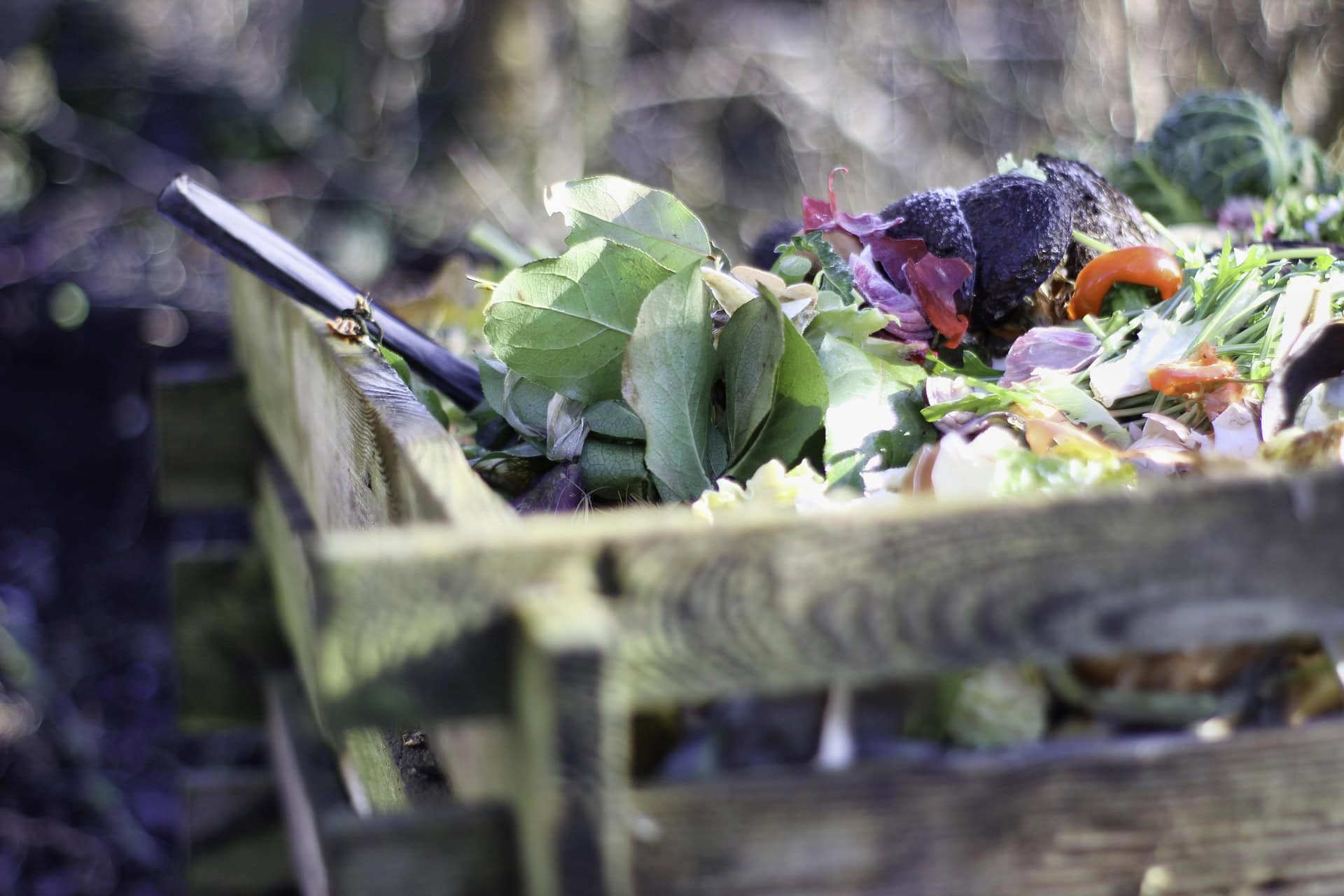
Food waste raises numerous environmental, economic, and societal challenges. From an environmental perspective, it leads to the unnecessary extraction and use of natural resources, such as farmland and water (MTES, 2025, November 10). Food waste is also responsible for 8 to 10% of global greenhouse gas (GHG) emissions and contributes to biodiversity loss, driven in particular by habitat destruction caused by intensive agriculture. Among the food items with the greatest environmental impact are, for example, cocoa, coffee, and beef, due to the resources required for their production and transport. Fruits and vegetables have a smaller environmental footprint. However, the waste of these types of foods has significant environmental repercussions due to the considerable quantities discarded (FOEN, 2025b). Food losses also have an economic impact, generating significant costs globally, estimated at $1 trillion. These costs encompass the cumulative loss of all resources invested—water, energy, labor, transportation, packaging—to produce, process, and distribute food that will never be consumed (UNEP, 2024a; UNEP, 2024b). Finally, from a social perspective, this issue is part of a context of food insecurity affecting one-third of the world’s population (UNEP, 2024a).
“Food waste causes as much pollution as half of all car trips in Switzerland” (Schöni & Ammann, 2025)
Households are the primary contributors to food waste (UNEP, 2024b). In Switzerland, households “waste an average of nearly 90 kg of food per person per year” (Schöni & Ammann, 2025), which accounts for nearly 35% of food losses. Households are followed, in descending order, by the processing sector (29%), agriculture (14%), food service (13%), and wholesale and retail trade (9%) (FOEN, 2025b). In 2024, food losses generated in Switzerland and abroad amounted to “310 kg per person per year,” a 5% decrease compared to 2017 (FOEN, 2025b). A slight improvement can therefore be observed.
Federal Council Action Plan
The Federal Council is committed to combating food waste on a national scale. The action plan, adopted in 2022, aims to halve food losses between 2017 and 2030. To this end, the Federal Council has entered into an agreement with various stakeholders in the food sector, including companies and organizations (FOEN, 2025a, October 14). An interim assessment of this plan was conducted by the Zurich University of Applied Sciences (ZHAW) in 2025 and reveals that Switzerland is significantly behind schedule. The interim target was a 25% reduction in food losses by 2025, yet the actual reduction is approximately 5% (Beretta et al., 2025).
In 2026, the Federal Council will need to define the measures for the second phase of the action plan to achieve, as far as possible, the goal of reducing food waste by 2030, in particular by raising awareness among households and improving data monitoring (FOEN, 2025a, October 14).
Individual action
At the household level, the potential for improvement is enormous, thanks to a multiplier effect. If each person reduces food waste by just a few percentage points, the overall impact can be significant. Reducing food waste also offers an economic benefit:
In Switzerland, the economic losses associated with food waste are estimated at approximately 600 CHF per person per year (FOEN, 2024).
Promotions by large retailers encourage people to buy food products they don’t really need. As a result, these price reductions subconsciously lead households to buy more food than they usually consume.
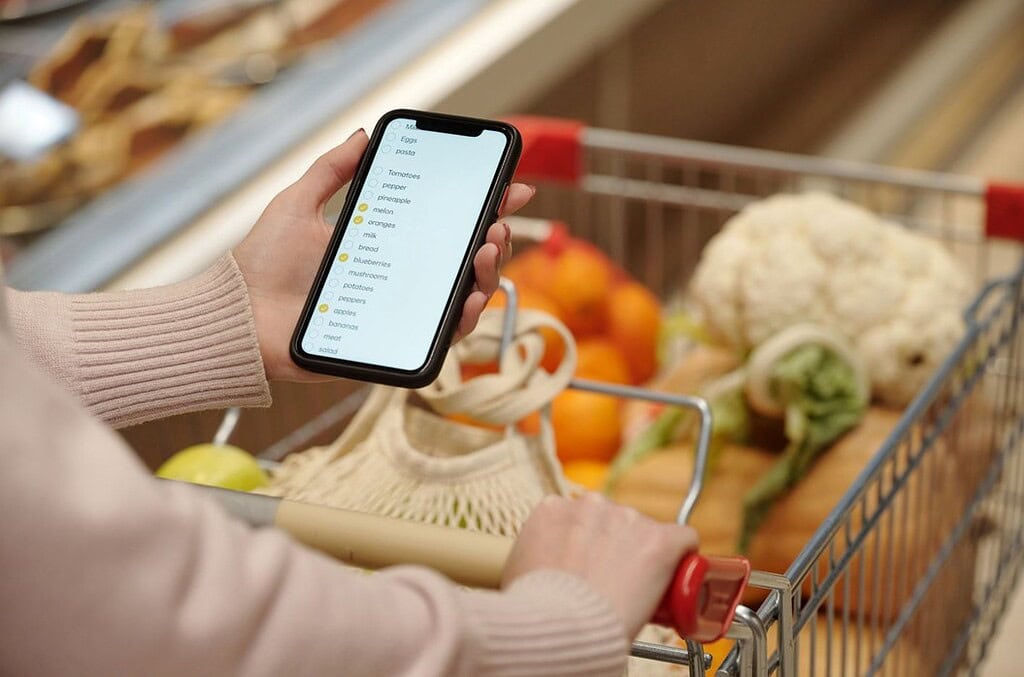
According to Schöni & Ammann (2025), food waste can be reduced by implementing several measures at the individual level, such as planning menus, using leftovers in meals, and creating a shopping list, taking into account the number of weekly meals so that we buy only what we actually need. Another solution for reducing food waste in households involves food storage. Food must be stored properly to minimize spoilage. Individuals must also learn to make use of edible waste, such as vegetable peels, leaves, and roots, which often end up directly in the trash (Schöni & Ammann, 2025).
Individuals’ purchasing behaviors also have an impact on food waste. According to Xiao, Jiang & Cao (2023), consumers’ rejection of fruits and vegetables whose appearance does not meet aesthetic standards contributes to food waste. This aesthetic bias must therefore be addressed in order to reduce food loss. Currently, in Switzerland, some major players in the retail sector are beginning to develop strategies to combat this trend. For example, in 2026, Migros launched the “Save Food” initiative by promoting Swiss fruits and vegetables of irregular shapes and sizes to combat food waste (Migros, 2026, February 9). In 2025, Coop launched a similar initiative under the “Nice to Save Food” brand to offer foods made from byproducts that were not previously used (Coop, 2025, February 28).
However, as the Fédération romande des consommateurs (FRC, 2023) points out, despite these initiatives, the promotion of “ugly” fruits and vegetables remains marginal in the retail sector. Current consumer habits and aesthetic standards continue to limit their presence on store shelves, making the fight against food waste a difficult battle. Additional efforts, both in terms of raising consumer awareness and within the retail sector, are therefore needed to maximize the impact of these initiatives.
In France, initiatives such as the one reported by 20 Minutes (2023) highlight “ugly” fruits and vegetables—often in season—sold at lower prices and without packaging, in the form of baskets. This approach not only reduces food waste but also limits the use of packaging, thereby decreasing waste production and its environmental impact. This type of initiative embodies the Zero Waste principle, which aims to minimize waste at every stage of production and consumption. Adopting it in Switzerland could help raise awareness among households and promote more sustainable consumption.
As a result, households have an important role to play in reducing food waste, particularly by adopting daily habits, making use of edible food waste, and changing their purchasing behaviors and choices, while ensuring that their decisions are not influenced by aesthetic biases related to the appearance of products.
Conclusion
Food waste poses a major environmental, economic, and societal challenge, both in Switzerland and around the world. Despite public policies and the national action plan, progress remains insufficient to meet the reduction targets set for 2030. At the household level, simple actions such as meal planning, proper food storage, and making use of leftovers can have a significant impact. Coordinated efforts by public authorities, businesses, and consumers are therefore essential to reduce food loss and its environmental, social, and economic consequences.
References
Beretta, C., et al. (2025). Monitoring Food Loss in Switzerland: Interim Report 2025. ZHAW Wädenswil.
Coop. (February 28, 2025). Coop launches a new private label for products made from secondary raw materials. Coop.ch. https://www.coop.ch/fr/entreprise/medias/communiques-de-presse/2025/coop-lance-une-nouvelle-marque-propre-pour-des-produits-issus-de-flux-secondaires.html
Federation of Consumers of French-speaking Switzerland (FRC). (2023). A Lost Cause. FRC. https://www.frc.ch/bataille-perdue-davance
Michaela Schöni & Ammann, J. (2025). A Guide to Reducing Food Waste in Households. Agroscope. https://www.agroscope.admin.ch/agroscope/fr/home/actualite/newsroom/2025/10-14_leitfaden-lebensmittelverluste.html
Migros. (February 9, 2026). Migros launches “Save Food”: combating food waste for Swiss fruits and vegetables. Corporate.migros.ch. https://corporate.migros.ch/fr/news/migros-lance-save-food-contre-le-gaspillage-alimentaire-pour-les-fruits-et-legumes-suisses
Ministry of Ecological Transition and Territorial Cohesion [MTES]. (November 10, 2025). Food Waste. https://www.ecologie.gouv.fr/politiques-publiques/gaspillage-alimentaire
Federal Office for the Environment [FOEN]. (2024). The Environment: Food – How to Avoid Waste (Mag. 4/2024) [PDF]. https://www.bafu.admin.ch/dam/…/magazin-2024-4.pdf
Federal Office for the Environment [FOEN]. (October 14, 2025a). Action Plan Against Food Waste: Federal Councilor Albert Rösti Meets with Representatives of the Food Industry. https://www.bafu.admin.ch/fr/newnsb/2cgDBxZVE7GVyuIu-gy1B
Federal Office for the Environment [FOEN]. (2025b). Food Losses. https://www.bafu.admin.ch/fr/pertes-alimentaires
United Nations Environment Programme [UNEP]. (2024a). UN Report on the Food Waste Index: The World Wastes More Than a Billion Meals a Day. https://www.unep.org/fr/actualites-et-recits/communique-de-presse/rapport-de-lonu-sur-lindice-de-gaspillage-alimentaire-le
United Nations Environment Programme [UNEP]. (2024b). UN Food Waste Index Report 2024: Key Messages. https://wedocs.unep.org/items/ca5ae07a-826c-42bb-b148-3bc4e08deab7
United Nations Environment Programme [UNEP]. (2024c). 2024 Food Waste Index Report. https://www.unep.org/fr/resources/publications/rapport-2024-sur-lindice-de-gaspillage-alimentaire
Xiao, Jiang & Cao. (2023). The beauty in imperfection: how naturalness cues drive consumer preferences for ugly produce and reduce food waste. https://www.frontiersin.org/journals/sustainable-food-systems/articles/10.3389/fsufs.2023.1313814/
20 Minutes. (2023). “Ugly” fruits and vegetables are being promoted. 20 Minutes. https://www.20min.ch/fr/story/des-fruits-et-des-legumes-pas-jolis-sont-mis-en-avant-431543171426
Learn more
Foodwaste.ch. (n.d.). What is the shelf life of food? https://foodwaste.ch/fr/infos/verifie-la-duree-de-conservation/
United Nations Environment Programme [UNEP]. (2024c). 2024 Food Waste Index Report. https://www.unep.org/fr/resources/publications/rapport-2024-sur-lindice-de-gaspillage-alimentaire
For more information on the storage and consumption of each type of food, see the article by Schöni & Ammann (2025).
The “food waste diary” is a tool for quantifying food waste generated at the individual household level. For instructions on how to use it, please refer to the article by Schöni and Ammann (2025).
ZeroWaste Switzerland. Guide: How to Avoid Food Waste. https://zerowasteswitzerland.ch/nos-outils/guides/guide-stop-foodwaste/